Renting a Car in Japan: Worth It? I Spent ¥79,000 vs ¥65,000 by Train – Here’s My Honest Take
I just got back from a week in Japan, and I need to talk about something that’s been on my mind: the cost of renting a car in Japan.
Here’s the deal – my husband and I spent ¥79,088 ($528) on a rental car for 7 days. The train would have cost us ¥65,000 ($433). That’s ¥14,000 more for the car.
Was it worth it? Let me break down everything for you, because the answer isn’t as simple as you might think.
The Quick Answer (If You’re in a Hurry)
The numbers:
- Our rental car: ¥79,088 for 2 people, 7 days
- Train alternative: ¥65,000
- Highway bus: ¥40,000
- The car cost us ¥14,000 more than trains
My honest verdict?
If you’re doing the typical Tokyo-Kyoto-Osaka tourist route, just take the train. It’s faster and cheaper.
But if you’re visiting family across multiple prefectures, want to explore rural Japan, or need to do some serious shopping (hello, Costco!), the rental car is absolutely worth the extra money.
Quick decision guide:
- ✅ Rent a car: Multiple destinations, family visits, rural areas, shopping/luggage, 3+ people
- ❌ Skip it: Single city trips, major tourist routes, solo travel, tight budget
Now, let me tell you the whole story…
A Bit About Our Trip
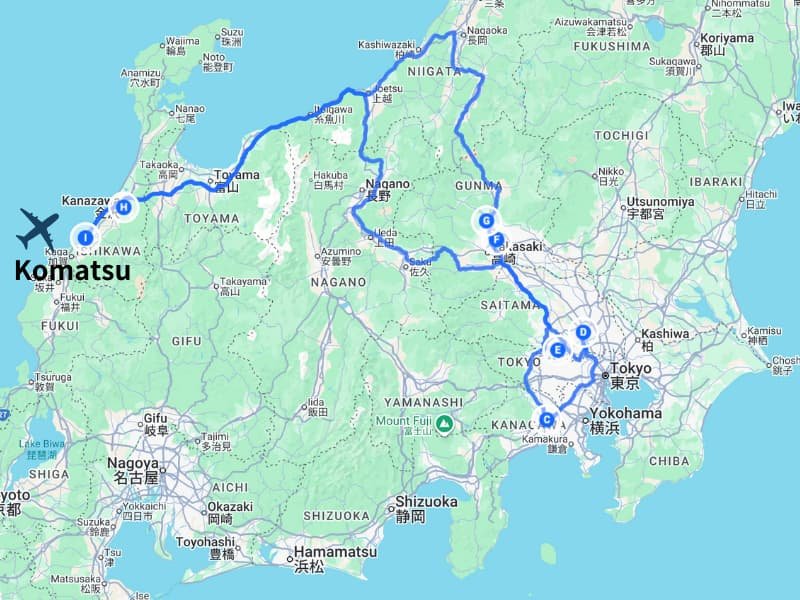
My husband and I are Japanese, but we’re currently living in the United States. We flew back to Japan for a week to visit family – my mother in Saitama and my parents-in-law in Ishikawa.
Our route looked like this: Kanazawa (Ishikawa) → Ebina (Kanagawa) → Omiya (Saitama) → Maebashi (Gunma) → back to Kanazawa
Four prefectures in seven days. Not exactly your typical tourist itinerary, right?
We rented from Nissan Rent a Car at Kanazawa Station (not the airport – I’ll explain why this matters later). The plan was to visit family, but we also wanted to squeeze in some sightseeing and stock up on things we can’t easily get in the States.
Living in America has changed how we see Japan. Things that used to feel normal now surprise us. And trust me, the highway tolls? They REALLY surprised us.
The Complete Cost Breakdown for renting a car in Japan(Every Single Yen)
Okay, let’s get into the numbers. I tracked everything because I knew I wanted to write about this experience.
What We Actually Paid:
| Cost | Amount | Notes |
|---|---|---|
| Car rental (7 days) | ¥35,200 | Nissan Rent a Car |
| ETC card | Included | Thank goodness! |
| Highway tolls | ¥25,000 | |
| Gas (6 fill-ups) | ¥18,188 | Mostly Costco |
| Parking | ¥700 | Just once in Saitama |
| TOTAL | ¥79,088 | ¥39,544 per person |
The Highway Tolls (Prepare to Be Shocked)
This is where it gets interesting. Remember, these are WITH the ETC discount:
- Kanazawa → Ebina: ¥10,250 (yes, really!)
- Ebina → Omiya area: ¥3,100
- Parking in Omiya: ¥700
- Omiya → Maebashi: ¥2,560 total
- Maebashi → Kanazawa (via Niigata): ¥8,050
Total tolls: ¥25,000
To put this in perspective – we paid almost as much in tolls as you’d pay for the ENTIRE highway bus alternative. Living in the US, where most highways are free, this was a serious sticker shock moment.
Gas Fill-Ups (Pro Tip Inside!)
| Where | Price per Liter | Total | Our Strategy |
|---|---|---|---|
| Regular station | ¥157/L | ¥4,253 | Had to fill up quickly |
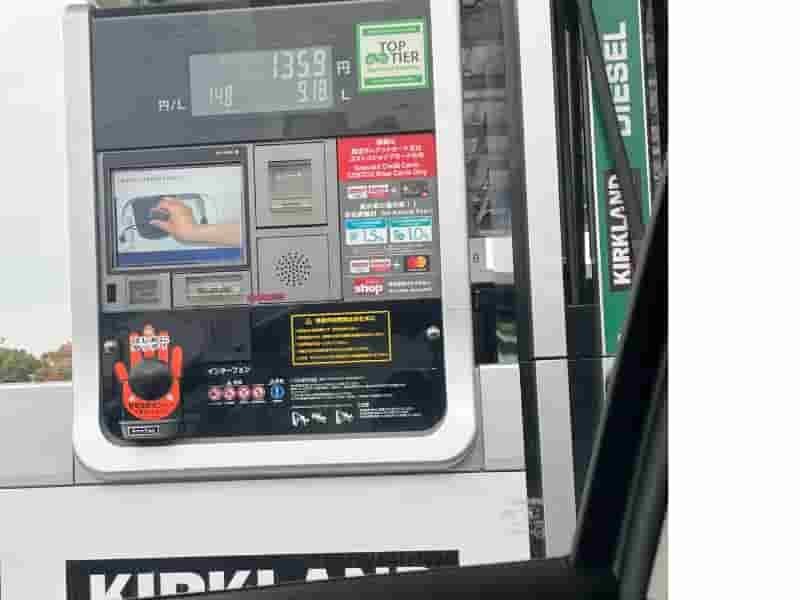
| Costco | ¥148/L | ¥1,335 | This is the way! |
| Regular station | – | ¥4,500 | – |
| Costco | ¥148/L | ¥4,135 | Detoured specifically |
| Costco | ¥148/L | ¥3,256 | Again! |
| Regular station | ¥161/L | ¥709 | Final fill before return |
| TOTAL | – | ¥18,188 | – |
Here’s a money-saving tip: Costco gas saved us about ¥2,000! If you have a Costco membership (we do for our US one, and Japan accepted it), it’s worth planning your route to hit their gas stations. At ¥148/L vs ¥157-161/L at regular stations, the savings add up fast.
What If We Took the Train Instead?
I researched this thoroughly because I wanted to know if we made the right choice. Here’s what trains would have cost us:
Train Option (Shinkansen):
| Route | Cost (2 people) | Time |
|---|---|---|
| Kanazawa → Ebina (via Tokyo) | ¥24,000-39,000 | ~4h 40m |
| Ebina → Omiya | ¥1,200-2,400 | ~1h 18m |
| Omiya → Maebashi | ¥3,300-13,500 | ~1h 13m |
| Maebashi → Kanazawa | ¥18,000-28,500 | ~3h 26m |
| TOTAL | ¥65,000 average | ~10-11 hours |
What trains offer:
- ¥14,000 cheaper than our rental car
- Faster point-to-point travel
- No driving fatigue
- You can relax, work, or nap
But here’s what they don’t tell you:
- Our Costco shopping haul would’ve been impossible with luggage limits
- Multiple transfers with heavy bags? No thanks
- Rigid schedules (miss one connection, wait 30+ minutes)
- Can’t access rural spots like the places we visited
- Potential taxi costs at each destination
Highway Bus Option:
| Route | Cost (2 people) | Time |
|---|---|---|
| Kanazawa → Tokyo area | ¥10,500-27,000 | ~10h 15m |
| Local buses | ¥5,000-8,000 | Varies |
| Return to Kanazawa | ¥10,500-27,000 | ~10h 15m |
| TOTAL | ¥40,000 average | ~20+ hours |
Highway buses are definitely the budget option – ¥39,000 cheaper than our rental car! But you’re trading money for comfort and time. Twenty hours on buses over a week? With our schedule visiting multiple family members, that just wasn’t practical.
The Highway Toll Reality Check
Living in the United States has completely changed how we think about highway costs. Let me show you what I mean:
USA vs Japan – The Comparison That Shocked Us:
| Route | Distance | Toll Cost |
|---|---|---|
| 🇺🇸 Denver → Las Vegas | ~1,000km | $0 (free!) |
| 🇺🇸 NYC → Boston | ~350km | ~$15-25 |
| 🇯🇵 Kanazawa → Ebina | ~350km | ¥10,250 ($68) |
In America, we regularly drive hundreds of miles on free interstate highways. The toll from Kanazawa to Ebina alone cost us $68 – that’s more than most Americans pay in tolls all year!
Our total ¥25,000 ($167) in highway tolls was actually MORE than what an entire highway bus trip would have cost us. That’s the part that really gets you.
About the ETC Card (This Is Critical!)
If you take one thing away from this article, let it be this: GET THE ETC CARD.
The ETC (Electronic Toll Collection) card is like E-ZPass in the US. It automatically deducts tolls as you drive through, and here’s the important part – it gives you a 20-30% discount. The discount rate depends on when and where you drive.
Our ¥25,000 in tolls? Without ETC, that would’ve been ¥30,000-32,500. We saved ¥5,000-7,500 just by having the ETC card!
Most rental companies either include it or charge a small daily fee (¥330-550). Even if they charge you, PAY IT. The toll savings will more than cover the cost.
Plus, you don’t have to stop at toll booths – you just drive through the purple ETC lanes by a slow speed. It’s so much more convenient.
What Made the Rental Car Worth Every Extra Yen
Okay, so we paid ¥14,000 more than we would have for trains. But here’s what that money bought us – and honestly, I wouldn’t change our decision for anything.
1. Freedom to Visit Family on Our Schedule
We had family in two different prefectures. With a car, we could:
- Stay longer at one place if we were having a great time
- Leave earlier if needed without waiting for the next train
- Make spontaneous stops along the way
- Carry gifts and omiyage for everyone without luggage stress
Try doing all that with train tickets and a rigid schedule. It would’ve been exhausting.
2. Experiences You Can’t Have Without a Car
This is the part I get excited about. We did things that would’ve been absolutely impossible using public transportation:
Chirihama Nagisa Driveway (千里浜なぎさドライブウェイ)

Have you ever driven a car on a beach? Like, actually on the sand, with waves crashing beside you?
This 8-kilometer stretch along the Sea of Japan is one of the few beaches in the world where you can drive right on the sand. The sunset was incredible. My husband and I just looked at each other like, “We couldn’t have done this on a train.” It’s a bucket-list moment you can only have with a rental car.
Hodatsuyama Summit (宝達山山頂)
We drove up to this mountain summit for panoramic views of the area. No buses go up there. No trains nearby. Just us, the car, and an amazing view.
Hakucho no Sato – Swan Sanctuary (白鳥の里 邑知潟)
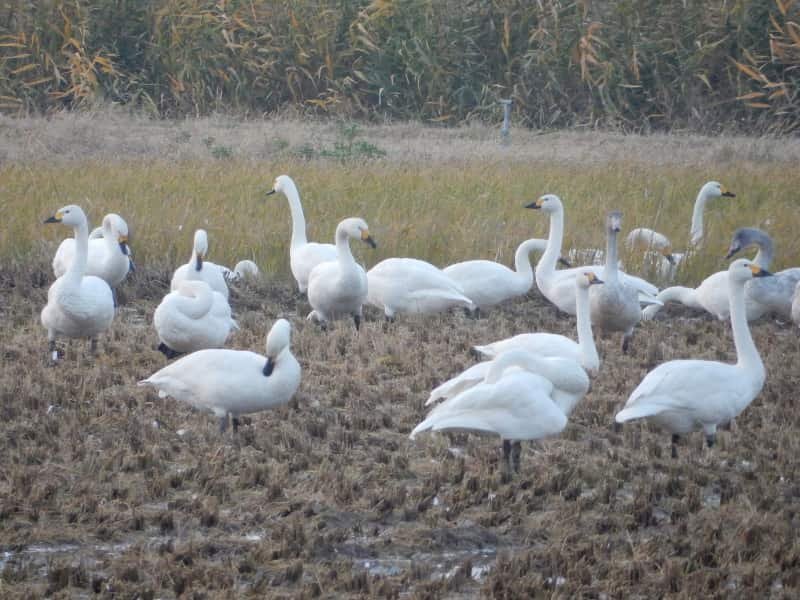
This was my favorite surprise. We found this peaceful lake sanctuary where hundreds of white swans gather. It’s off the beaten path – the kind of place only locals know about. We pulled over, spent 30 minutes just watching the swans, and got back in the car.
On a train schedule? We would’ve had to skip it entirely.
Hodatsu-Shimizu Ginkgo Avenue (宝達志水イチョウ並木)

A tree-lined road with golden ginkgo trees. Absolutely gorgeous for photos. Another “only by car” moment.
3. Japanese Service Areas Are Actually Amazing
Before moving to the US, I took service areas (SA) for granted. But coming back, I realized how special they are. American rest stops are… well, let’s just say they’re different.
Echigokawaguchi Service Area (越後川口サービスエリア)

This SA has an overlook point for the Shinano River. And we saw some Japanese Koi in a small sink. We bought 2kg of famous Uonuma Koshihikari rice (¥2,500) to bring back to the States. The rice is THAT good – Uonuma Koshihikari is one of the best rice varieties in Japan!
Arisoumi Service Area (有磯海サービスエリア)
Beautiful views of the Sea of Japan. We stopped just for the view and ended up trying some regional snacks.
Atsugi Parking Area (厚木パーキングエリア)
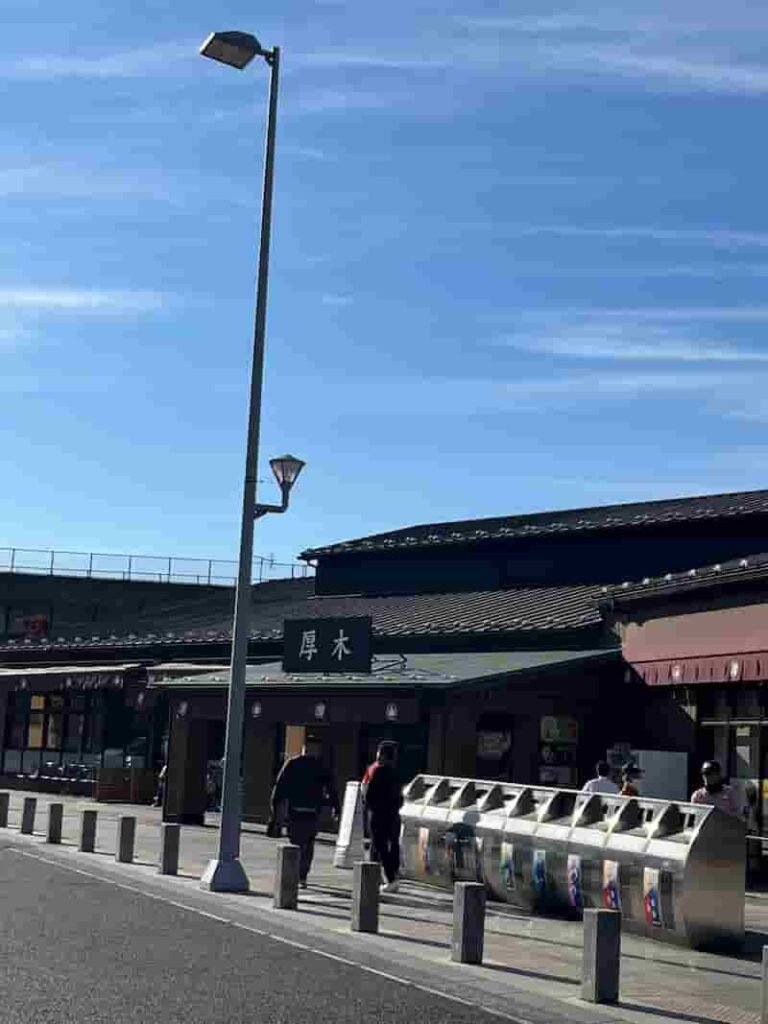
This one had traditional Japanese-style restrooms- like an onsen bathroom experience at a highway rest stop! We picked up some regional omiyage for ¥1,500.
The cleanliness of Japanese service areas still amazes me. Spotlessly clean restrooms, regional food specialties, interesting architecture – they’re actually destinations in themselves, not just pit stops.
4. The Costco Shopping Mission
Living in the US, we’ve discovered certain Japanese products we miss. Coming back to Japan with a rental car meant we could stock up properly.
What we bought:
- Skincare and cosmetics: ¥18,900
- Instant miso soup and shijimi soup packets
- Other daily necessities
- Total Costco purchases: ¥27,155
Could we have done this using trains? Technically yes, but carrying all that on the Shinkansen with our regular luggage? Absolutely not.
Plus, remember those Costco gas savings (¥2,000)? The membership basically paid for itself.
5. Onsen Hopping Made Easy
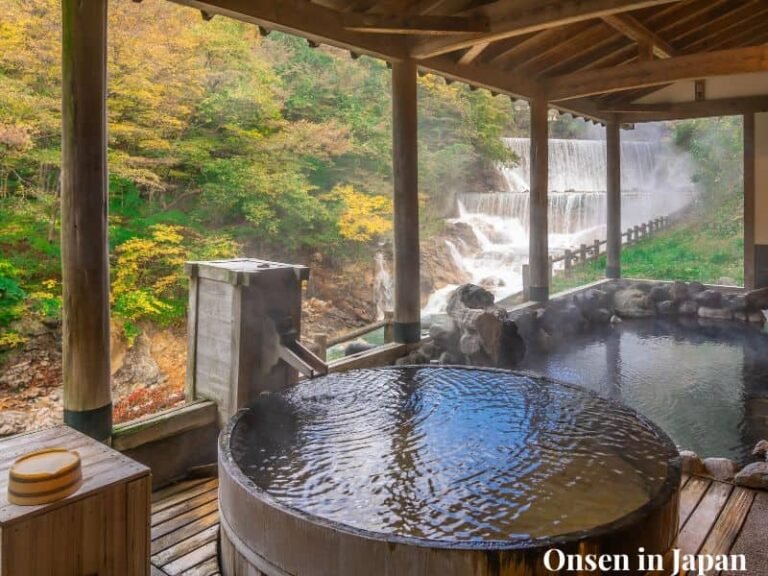
We’re both big onsen fans, and having a car made it so much easier to visit multiple hot springs:
- Hana Yu Sky Therme Resort (Shibukawa, Gunma) : Free. (We got a free coupon when we stayed at Hana Hotel Hanazono Inter)
- Hotel Yuka (ちりはまホテルゆ華): Stayed overnight. Great hotel with many “Omotenashi”.
- Hotel Arore: ¥1,100 using the Yumeguri Passport
- Apa Spa Kanazawa Ekimae: ¥1,000 with the passport
With a car, we could bring our onsen supplies, towels, and a change of clothes without worrying about train schedules or connections. Some onsen close early in the evening – with a car, timing wasn’t an issue.
6. All Those Little Stops
- Michi-no-Eki Hanazono – We got a Fukka-chan stamp! (If you know, you know)
- Komatsu no Mori – Free attraction we stopped at on a whim
- 8ban Ramen – Local ramen chain that’s hard to reach by train
- Kanazawa Maimon Sushi – Way easier with parking nearby
These weren’t on our original itinerary. We just saw them and stopped. That’s the kind of flexibility you can’t get with train tickets.
The Hidden Costs of “Cheap” Trains
Here’s something important that cost comparisons often miss: trains aren’t just the ticket price.
What You’ll Actually Spend:
Coin Lockers: At ¥300-700 per use, these add up when you’re visiting multiple cities. We would’ve needed them at least 5-6 times. That’s ¥2,000-4,000 right there.
Taxis at Destinations: My mother doesn’t live near a train station. My in-laws don’t either. We would’ve needed taxis:
- 2 different family home visits
- Approximately ¥1,000-3,000 per taxi ride
- Total: ¥4,000-6,000 easily
The Reality:
- Trains: ¥65,000 + taxis (¥4,000-6,000) + lockers (¥2,000-4,000) = ¥71000-75,000
- Our car: ¥79,088
- Actual difference: Almost nothing!
Suddenly that rental car doesn’t look so expensive, does it?
Plus, there’s the stress factor. Carrying luggage through stations, rushing for connections, watching the clock constantly – these things wear you down. The car gave us peace of mind.
Driving in Japan as Someone Who Drives in America
This might be helpful if you’re coming from the US or another right-side driving country.
What’s Different:
Left-Side Driving: It took me about 30 minutes to feel comfortable again. My husband (who does most of our driving in the US) accidentally turned on the windshield wipers instead of the turn signal a few times. We laughed about it.
The GPS helped tremendously. Modern rental cars have English navigation options that make everything easier.
Narrower Roads: Even the highways feel narrower than American interstates. Rural roads can be really tight. You need to pay more attention, especially in mountain areas.
Parking Spaces: Japanese parking spaces are TINY compared to US spots. Our American-sized parking habits didn’t work here. But we mostly parked at family homes (free!), so it wasn’t a big issue.
Navigation: Google Maps worked perfectly. The rental car GPS also had English settings. Highway signs often include English, especially on major routes.
Driving Courtesy: Honestly? Japanese drivers are so much more courteous than in the US. Less aggressive, more patient, proper lane discipline. After dealing with highway traffic in America, driving in Japan felt almost relaxing.
Speed Limits: Highways are 80-100 km/h (50-62 mph). That’s slower than US interstates. And they enforce it strictly with cameras, so don’t speed!
Was Driving Stressful?
Not really! In fact, I found it less stressful than driving in most American cities. The roads are well-maintained, drivers follow rules, signage is clear, and those service areas give you regular breaks.
If you can drive in the US, you can definitely handle driving in Japan. Just give yourself time to adjust to the left side.
When Should You Rent a Car? (And When Should You Skip It?)
After this experience, here’s my honest advice:
✅ Rent a Car If:
Your situation looks like this:
- You’re visiting 3+ different cities or prefectures
- It’s a family visit with flexible timing needs
- You’re traveling with 3+ people (cost per person drops significantly)
- You want to shop or buy bulky items
- Your destinations include rural areas, nature spots, or places far from stations
- You’re planning onsen hopping
- The journey itself is part of the experience
- You have kids (the flexibility is priceless!)
Routes where cars make sense:
- Hokuriku region (Ishikawa, Toyama, Fukui) – where we were!
- Hokkaido outside of Sapporo
- Rural Kyushu
- Chugoku region countryside
- Shikoku island
- Anywhere with limited train service
❌ Skip the Car If:
Your situation:
- Single city visit (Tokyo, Osaka, Kyoto)
- Classic tourist route (Tokyo-Kyoto-Osaka corridor), only visit famous spots.
- Solo traveler or couple with minimal luggage
- Short trip (1-3 days)
- Budget is really tight
- You’re nervous about driving abroad
- Only visiting places easily accessible by train
Routes where trains are better:
- Tokyo to Kyoto (Shinkansen is faster and easier)
- Osaka to Hiroshima (major Shinkansen route)
- Any sightseeing within a single major city
For us, with four prefectures and family visits? The car was absolutely the right choice.
Practical Tips If You Decide to Rent
Based on our experience, here’s what you need to know:
Before You Leave Home:
Get Your International Driving Permit (IDP): This is REQUIRED. You cannot rent a car without it. In the US, you can get it from AAA for about $20. It’s valid for one year.
Do this at least a few weeks before your trip. Don’t forget!
Booking Your Rental:
Choose Your Pickup Location Wisely: We picked Kanazawa Station instead of Komatsu Airport. Why?
- Station rentals are often cheaper
- Easy access via public transport
- More flexible pickup times
- Many rental car shops around the station. Your choice becomes wider.
Compare prices between airport and station locations. Sometimes the difference is significant.
Book in Advance: Use English-language sites like ToCoo!, Nippon Rent-A-Car, or Toyota Rent-A-Car. Compare prices. Seven-day rentals often have better daily rates than shorter rentals.
At Pickup – Must-Haves:
ETC Card (必須!): I can’t stress this enough. It’s essential. It saves you 20-30% on tolls. Our ¥25,000 in tolls would’ve been ¥30,000+ without it. That’s ¥5,000-7,500 saved!
Full Insurance Coverage: Get the comprehensive coverage. Peace of mind is worth it, especially if you’re not used to driving in Japan.
GPS with English: Usually included, but confirm. It makes navigation so much easier. In our case, we could use Google Maps in the same way as the United States.
Inspect the Car: Take photos of any existing damage before you leave the lot. This protects you at return time. Japanese inspection is much more severe than the US one.
During Your Trip:
Gas Station Strategy: Look for “セルフ” (self-service) stations – they’re cheaper. Regular (レギュラー) is fine for most rental cars unless specified otherwise.
And seriously, if you have a Costco membership, use their gas stations. We saved ¥2,000! Before you use the pump, tell a staff that you are a Costco member in the USA, and then they will prepare the pump machine for you.
Highway Driving:
- Stay in the left lane unless passing
- Service areas appear every 20-30km
- Try the regional food at service areas – it’s part of the experience!
- At toll gates: purple lanes are for ETC, green lanes are for cash
Parking:
- Ask hotels about parking fees when booking
- Coin parking (コインパーキング) is common in cities but expensive
- Shopping centers typically offer free parking with purchase
At Return:
Fill the tank within 1-2km of the rental location. Return it full to avoid expensive refueling fees. You need to keep the receipt at the Gas station because you need to show it at the rental car shop as evidence. Inspect the car together with the staff. Keep your final receipt.
My Final Verdict
Let me be completely honest with you.
By the numbers alone, trains were cheaper. That’s just math. We paid ¥14,000 more for the rental car.
But here’s what those numbers don’t capture:
We drove on a beach at sunset. We watched wild swans at a peaceful lake. We ate amazing regional food at service areas. We helped my mother carry her omiyage gifts. We stopped at a mountain summit just because we felt like it. We visited two family homes across four prefectures without stress or rushing.
Could we have done our family visits by train? Sure. But we would’ve been watching the clock constantly, dealing with luggage stress, missing out on spontaneous moments, and probably spending close to the same amount anyway when you factor in taxis and lockers.
The rental car gave us something priceless: freedom.
Would I Rent a Car Again?
Absolutely, without hesitation.
For typical tourists doing the Tokyo-Kyoto-Osaka circuit, I’d say stick with trains. They’re genuinely better for that route.
But for family visits, multi-prefecture trips, rural exploration, or anyone who wants to see the Japan that exists beyond the Shinkansen network – rent the car. The extra ¥14,000 is worth it.
Living in the US has taught us the value of road trip freedom. This rental car let us bring that freedom back to Japan.
Those highway tolls? Yeah, they hurt. But the memories we made? Priceless.
Your Questions Answered
Q: I’m American/non-Japanese. Can I still rent a car? Absolutely! Just get your International Driving Permit before you leave home. The process is straightforward.
Q: Are the highway tolls really THAT expensive? Yes. As someone who drives in America regularly, I was genuinely shocked. Budget at least ¥3,000-5,000 per day for long-distance highway driving.
Q: Can I skip the highways and save money? Technically yes, but you’ll add hours to your trip. The time trade-off usually isn’t worth it unless you’re on an extreme budget or want a slow-travel experience.
Q: What if I get in an accident? Contact your rental company immediately. This is why full insurance coverage is important – it protects you from major costs.
Q: Is the left-side driving really that hard? It takes about 30 minutes to adjust. The biggest challenge is remembering the turn signal vs windshield wiper placement! GPS navigation helps a lot.
Q: Can I pick up the car in one city and return it in another? Yes, but one-way fees can be expensive (¥10,000-30,000+). Round-trip from the same location is much cheaper.
Q: How do I know if I need a rental car for MY trip? Ask yourself: Am I visiting multiple cities? Do I need schedule flexibility? Am I going to rural areas? Will I have lots of luggage/shopping? If you answered yes to 2 or more, consider the car.
Q: Does Google Maps work for navigation? Yes! It works great in Japan. Rental cars also have built-in GPS with English options.
Final Thoughts
Choosing between a rental car and trains in Japan isn’t just about money – it’s about what kind of trip you want to have.
We paid more for our rental car, and I’d make the same choice again in a heartbeat.
If you’re planning a Japan trip and wondering about transportation, here’s my advice: Think about your actual itinerary. Calculate ALL the costs (including taxis and luggage hassles). Consider the intangibles like flexibility and unique experiences.
Then make the choice that fits YOUR trip, not someone else’s guidebook recommendation.
For us, those four prefectures, multiple family visits, beach driving, swan watching, and service area adventures made every yen worth it.
Have you rented a car in Japan? Are you planning to? I’d love to hear your thoughts and answer any questions in the comments below!
And if you found this helpful, please share it with anyone planning a Japan trip. Real experiences with real numbers are hard to find, and I hope this helps someone make their decision easier.
Safe travels! 🚗🇯🇵