Why Japanese Remove Shoes Indoors (And Americans Don’t): Cultural Guide
Have you ever been caught in that awkward moment where you’re not sure if you should take your shoes off—or keep them on? Well, I’ve been there, and it happened during a work party that turned into a full-on culture comedy show.
Let me take you back…
I was working as an inside sales specialist at a Japanese-affiliated company in the U.S. One evening, we hosted a big party at a rented guest house with both Japanese colleagues and American guests. We were rushing around to set up before the customers arrived when I noticed something hilarious.
All the Japanese employees were still wearing their shoes, walking around casually inside.
And then, there was our American manager… barefoot.
He looked up and said, “Well, since it’s a Japanese company party, I thought we should follow Japanese customs and take off our shoes!”
We all laughed. Because here we were, thinking we’re in America—we should follow American rules! It was a moment of mutual respect and total cultural confusion. But it actually led to a great conversation about customs, comfort, and how tricky it can be to balance two cultures.
In the end? We decided this party would go “American-style.” Shoes stayed on.
This hilarious moment taught me something important: even after living in both countries, shoe etiquette can still catch you off guard. Whether you’re visiting Japan or the USA, understanding when to take off your shoes (and when not to) can save you from awkward moments and show respect for local customs.
In this guide, I’ll explain everything you need to know about shoe etiquette in both countries, based on my personal experience as a Japanese person who’s lived in America for four years.
The Key Difference: Quick Summary
If you’re in a hurry, here’s what you need to know:
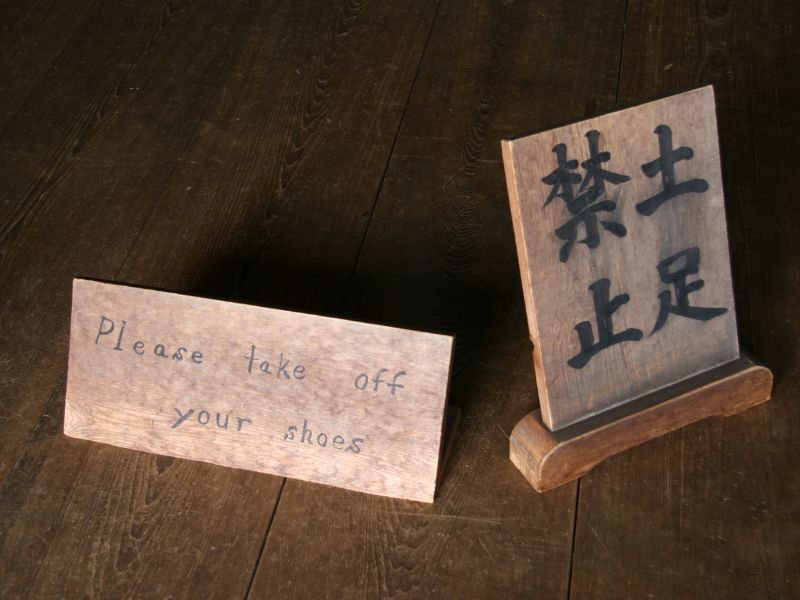
In Japan: Shoes Off is a Strict Cultural Rule
You MUST remove shoes when entering:
- Private homes (every single time, no exceptions)
- Traditional restaurants with tatami mat seating
- Temples and shrines (most indoor areas)
- Ryokan (traditional Japanese inns)
- Some schools, offices, and medical clinics
Look for: A genkan (玄関) – a step-up entrance area where shoes are removed and indoor slippers are provided.
In the USA: It’s Personal Preference
There’s no universal rule. Some American households remove shoes at the door, while others wear them indoors all day. You won’t know until you ask or observe.
The golden rule: When visiting someone’s home in America, always ask: “Should I take off my shoes?”
Why the Difference?
Japan: The practice stems from centuries of tradition that emphasizes a clear boundary between the “outside world” (considered dirty) and the “inside space” (kept clean and sacred). Taking off shoes shows respect for the home and maintains hygiene since Japanese people often sit directly on floors.
USA: American culture values individual choice and practicality. Different climates, home designs, and cultural backgrounds mean each household makes their own decision. There’s no cultural pressure to follow one specific way.
Why Japanese Remove Shoes Indoors
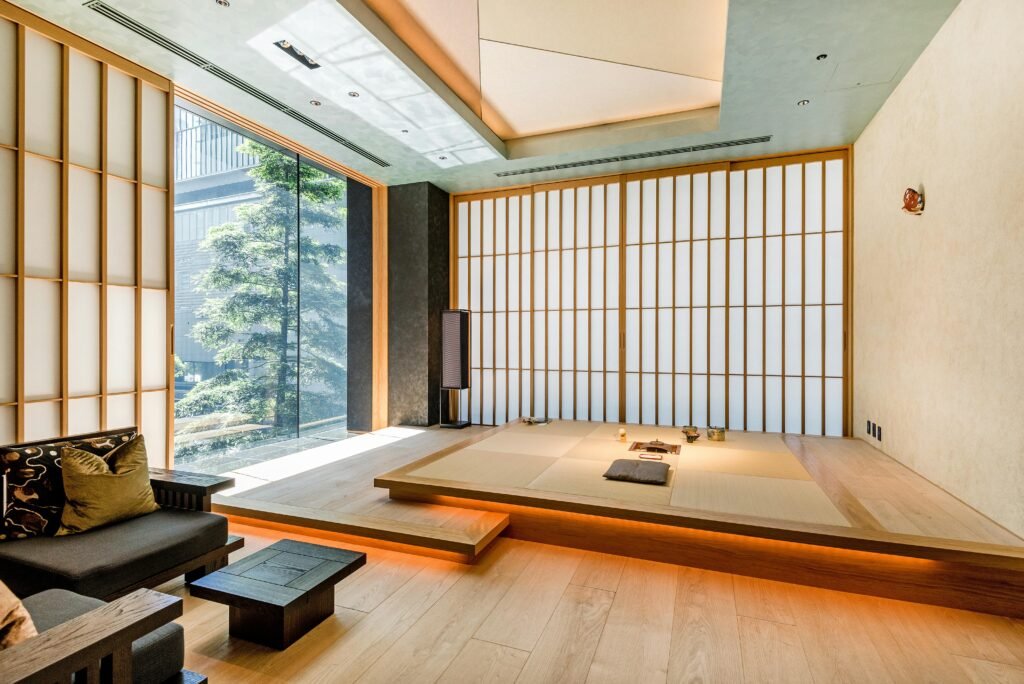
As a Japanese person, removing shoes indoors is so automatic that I never questioned it—until I moved to America and realized it’s not universal!
Historical Reasons
Traditional Japanese homes were built differently:
- Raised wooden floors elevated above ground to prevent moisture damage in Japan’s humid climate
- Tatami mats – delicate woven straw mats that would be damaged by shoes
- Floor-sitting culture – people sat directly on tatami, slept on futons on the floor, and ate at low tables
- No central heating – people sat close to the floor for warmth using kotatsu (heated tables)
When your living space IS the floor, keeping it clean becomes essential.
Modern Reasons
Even in modern apartments with Western furniture, Japanese people continue this practice because:
1. Hygiene: Shoes track germs, bacteria, and dirt from streets, trains, and public spaces. Japanese homes are kept meticulously clean, and shoes would defeat that purpose.
2. Respect: Taking off shoes shows respect for the home and the host. It demonstrates you care about their space and follow social customs.
3. Comfort: Many Japanese people still sit on floors, children play on floors, and some sleep on futons. Clean floors = comfortable living.
4. Cultural identity: It’s part of being Japanese—a shared custom that reinforces community values and social harmony.
The Genkan: The Sacred Boundary
The genkan (玄関) is the entrance area where shoes are removed. It’s usually:
- A step lower than the main floor
- Where outdoor shoes are left (neatly, pointing toward the door)
- The physical and symbolic boundary between outside and inside
Stepping onto the raised floor with shoes is almost like tracking mud across someone’s bed—it’s that jarring!
Creating a “Genkan” in America
Here in America, our house doesn’t have a traditional genkan, of course. But as a Japanese family, we really wanted some designated space to remove our shoes—that mental and physical separation between outside and inside is so important to us.
So we created our own mini genkan!
We bought a shoe shelf and placed a small mat by the door specifically for removing dust and dirt from our shoes. This simple setup has become our “genkan space”—it’s where we transition from the outside world to our home.
It just goes to show: the concept of separating outside and inside isn’t just about architecture—it’s about mindset and values. And you can create that boundary anywhere!
Why Americans Generally Keep Shoes On
After living in the USA for four years, I’ve learned that American shoe culture is completely different—and equally valid!
Different Historical Context
American homes evolved differently:
- Carpeted floors became common in the 1950s-60s, designed to withstand foot traffic
- Central heating meant people didn’t sit on floors for warmth
- Furniture-focused living – sofas, chairs, raised beds rather than floor culture
- Larger homes with mudrooms and entryways creating buffer zones
Cultural Values
American culture strongly values:
- Individual choice – “your house, your rules”
- Practicality over tradition – decisions based on what works for each situation
- No social pressure – no cultural expectation to follow one way
When Americans DO Remove Shoes
Many households do have shoes-off policies:
- Immigrant families (Asian, Middle Eastern, Scandinavian backgrounds)
- Families with babies and toddlers
- Homes with white carpets or expensive floors
- Winter in snowy regions
The Diversity Factor
Here’s what makes America confusing: there is no universal rule.
One friend’s house: Shoes off at the door Next friend’s house: Shoes on all day Your neighbor: Shoes off only in winter
This is why I learned that asking is totally normal and appreciated!
I attended a baby shower at my American colleague’s house. Almost everyone there was American (except two of us Japanese), and guess what? Every single guest asked the host: “Should I take off my shoes?”
It was such a great reminder that asking is completely acceptable in American culture!
When to Remove Shoes in Japan: Complete Rules
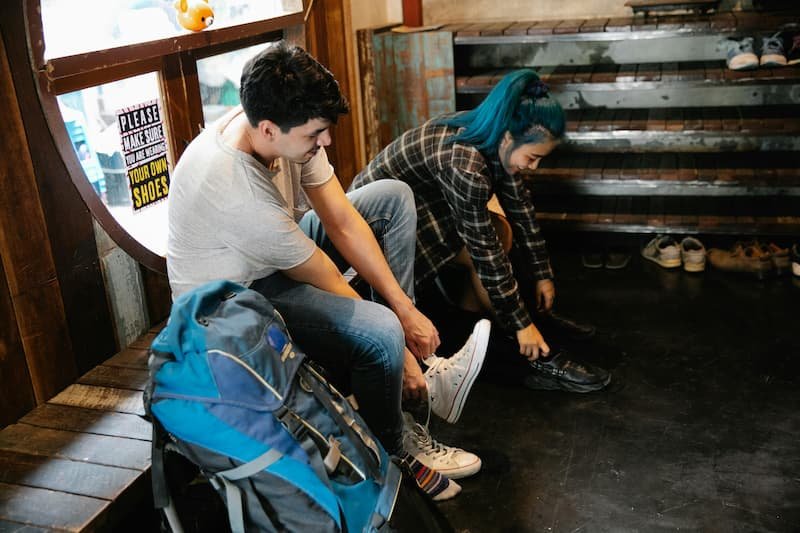
Let me break down exactly when you need to remove shoes in Japan:
ALWAYS Remove Shoes:
Private Homes
- Every single time, even for quick 5-minute visits
- Look for the genkan (step-up entrance)
- Accept slippers if offered
Traditional Accommodations
- Ryokan (traditional inns)
- Minshuku (guesthouses)
- Temple lodgings
Religious Sites
- Most Buddhist temples (main worship halls)
- Shinto shrines (indoor spaces)
- Look for shoe racks or signs
Traditional Restaurants
- Any restaurant with tatami mat seating
- Kaiseki restaurants
- Traditional izakaya with raised seating
Cultural Spaces
- Tea ceremony rooms (always!)
- Martial arts dojos
- Some museums in traditional buildings
Some Medical Facilities
- Small neighborhood clinics (look for shoe lockers at entrance)
- Acupuncture and massage clinics
Other Places
- Some schools and offices
- Clothing store fitting rooms (many require this!)
NEVER Remove Shoes:
- Modern restaurants and cafes (all chains, Western-style restaurants)
- Western-style hotels (rooms and public areas)
- All retail shops and department stores
- Public transportation (trains, buses, taxis)
- Most modern offices
- Streets and outdoor spaces
How to Tell When Uncertain:
Look for these signs: ✓ A genkan (step-up entrance) ✓ Shoe racks or lockers at entrance ✓ Slippers lined up waiting ✓ Tatami mats visible ✓ Everyone else removing shoes
When in doubt: → Ask: “くつを脱ぎますか?” (Kutsu wo nugimasu ka? – Should I remove shoes?) → Watch what locals do → Better to remove and be wrong than keep them on and be wrong!
When to Remove Shoes in the USA: The Guide
In America, it’s much simpler but less standardized:
The Golden Rule: Just Ask!
Use these phrases:
- “Should I take off my shoes?”
- “Do you prefer shoes off?”
- “What’s your preference about shoes?”
Americans expect you to ask and appreciate that you’re being considerate!
Households More Likely Shoes-Off:
- Asian, Middle Eastern, or Scandinavian heritage families
- Homes with babies or toddlers
- White carpets or expensive flooring
- Snowy regions in winter
Households More Likely Shoes-On:
- Traditional American families
- Southern states and warm climates
- Casual households with pets
- Hard floors (tile, hardwood)
Public Spaces: Almost Always Shoes On
- All restaurants, cafes, and bars
- All retail stores and malls
- Hotels and offices
- Gyms and sports facilities
Exceptions: Mosques, Buddhist/Hindu temples, yoga studios, and martial arts dojos require shoes off.
When Host Says “Whatever You’re Comfortable With”
Look for clues:
- Shoes lined up at door = remove yours
- Everyone wearing shoes = keep yours on
- Still unsure? Remove them (safer/more polite choice)
Japanese Slipper Etiquette: Important Rules
This is where many visitors get confused!
Types of Slippers:
1. Indoor Slippers (Regular)
- Worn throughout the house
- Provided to guests at entrance
2. Bathroom Slippers
- ONLY for bathroom use
- Usually marked or different color
- ⚠️ NEVER wear outside bathroom! (major mistake!)
3. Tatami Rule
- Remove even indoor slippers before stepping on tatami mats
- Walk on tatami in socks or barefoot only
- Tatami is delicate woven straw and deserves respect
The Bathroom Slipper Story
In Japan, there are designated indoor slippers just for the bathroom—and only for the bathroom!
It’s a mini culture shock moment for many first-time visitors. You switch into the special pair at the bathroom door, and then change back into your regular indoor slippers after.
Wearing bathroom slippers outside the bathroom? That’s a major no-no! I’ve seen so many foreign friends accidentally do this—it’s embarrassing but fixable. Just apologize, switch back immediately, and everyone understands.
Common Mistakes and How to Avoid Them
In Japan:
❌ Walking into house with shoes → Always look for genkan step-up at entrance
❌ Wearing bathroom slippers out of bathroom → Make mental note when entering bathroom
❌ Stepping on tatami with slippers → If you see woven mats, remove even slippers
❌ Having holes in socks → Check your socks before Japan trips! You’ll be in socks constantly.
❌ Wearing complicated lace-up shoes → Choose slip-on shoes for easy removal
In USA:
❌ Assuming everyone removes shoes → Never assume—always ask!
❌ Feeling uncomfortable keeping shoes on → Remember it’s cultural difference, not about cleanliness
❌ Judging Americans for wearing shoes indoors → Different doesn’t mean wrong
Practical Tips for Travelers
For Visitors to Japan:
Before Your Trip:
- ✓ Buy slip-on shoes (you’ll remove them constantly!)
- ✓ Pack clean, hole-free socks
- ✓ Bring thin socks for summer
During Your Visit:
- ✓ Watch for genkan everywhere
- ✓ Accept slippers graciously
- ✓ Remember bathroom slipper rule
- ✓ Don’t stress if you make a mistake—Japanese people are understanding!
For Visitors to USA:
The Simple Rule: Ask!
Use these phrases:
- “Should I take off my shoes?”
- “Would you like me to remove my shoes?”
Observation tips:
- Shoes at door = remove yours
- Everyone wearing shoes = keep yours on
- When in doubt = ask!
Frequently Asked Questions
Q: What if I forget and walk into a Japanese home with shoes on?
A: Don’t panic! Apologize immediately (“Sumimasen!”), back out, and remove your shoes. Japanese people understand foreigners make mistakes.
Q: Do Japanese people wear shoes in hotels?
A: Western-style hotels: Keep shoes on (slippers provided for comfort) Ryokan: Remove shoes at entrance
Q: What if I have holes in my socks?
A: It’s embarrassing in Japan where you’re in socks constantly. Bring backup socks!
Q: Is it rude to ask about shoes in America?
A: Not at all! Americans expect you to ask and appreciate it.
Q: What if the American host says “whatever you’re comfortable with”?
A: Both options are genuinely acceptable. Look for clues (shoes at door, what others do) or remove yours to be extra polite.
Q: Is one way better than the other?
A: Neither is “better”—they’re just different cultural norms. Both are valid!
Final Thoughts
Looking back at that work party where we all had different assumptions about shoes, I realize it perfectly captures the beauty and complexity of living between cultures.
Whether you’re visiting Japan or the USA, shoe etiquette might seem like a small thing—but it’s actually a window into deeper cultural values about cleanliness, respect, personal space, and social harmony.
My advice:
- In Japan: When in doubt, take them off
- In the USA: When in doubt, ask
- Everywhere: Be respectful, observant, and willing to learn
After four years of navigating both cultures, I’ve learned that the key isn’t always knowing the perfect rule—it’s being open, flexible, and willing to adapt. And sometimes, just like at that work party, the best solution is to laugh, communicate, and find a way forward together.
Have your own shoe culture story? I’d love to hear about your experiences in the comments!